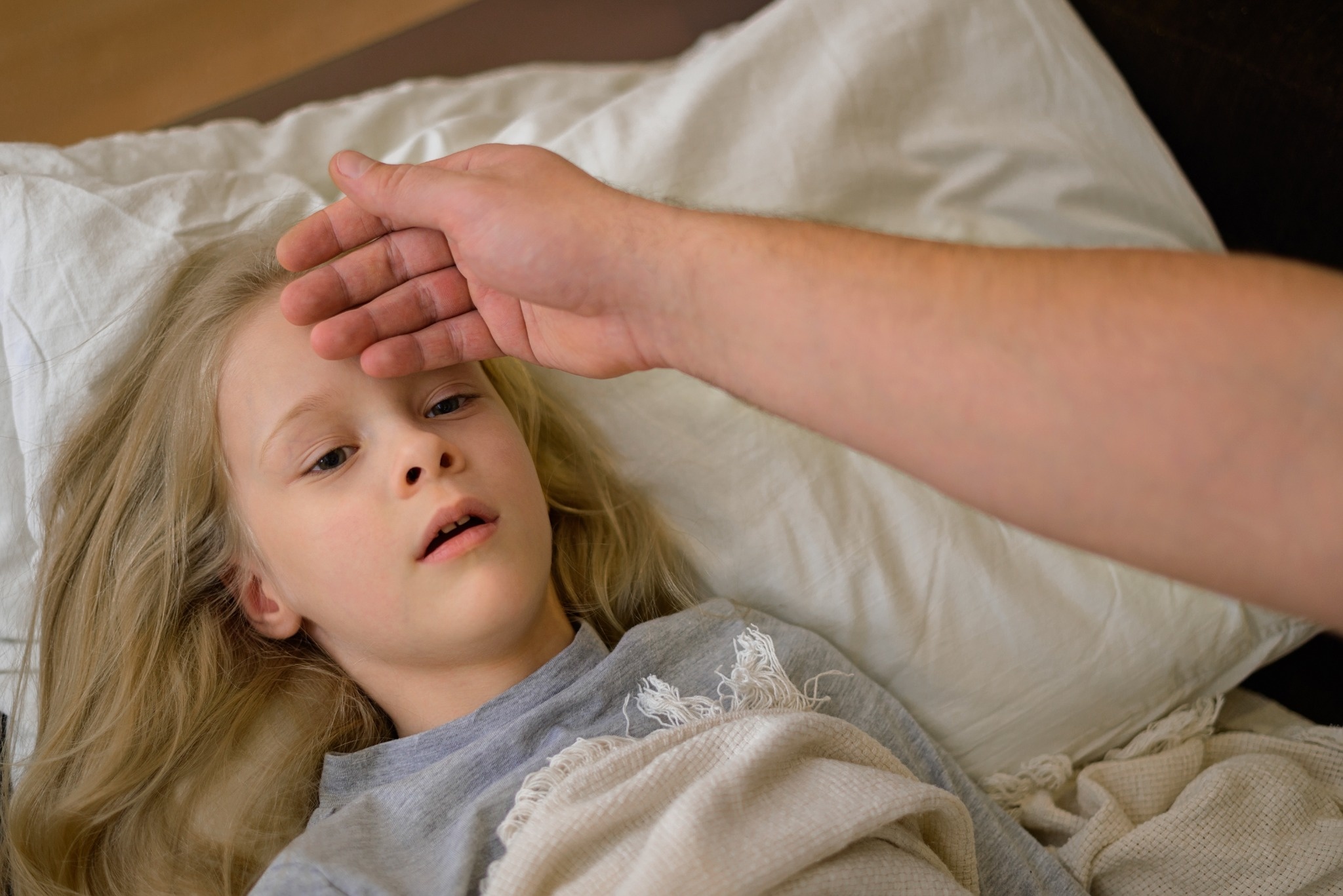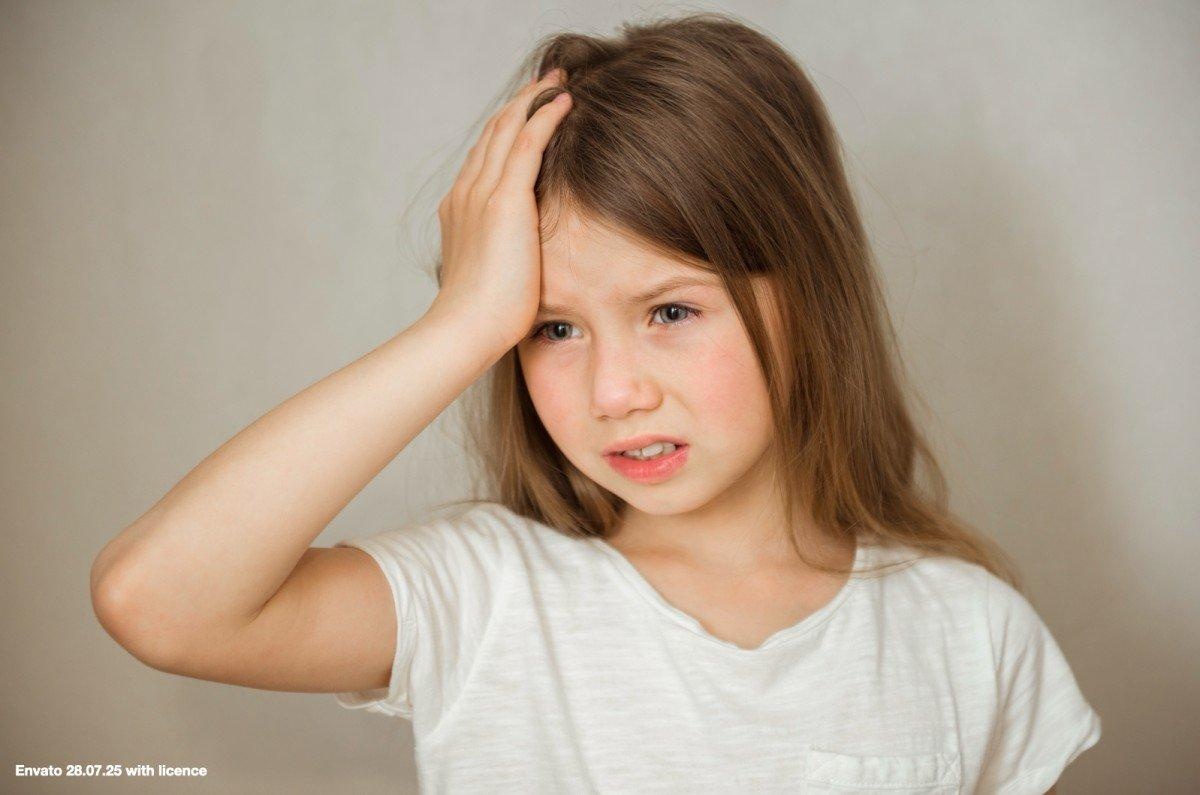
Introduction to Encephalitis
The brain is the part of the body that controls thoughts,memory,emotion,touch,motor skills,vision breathing temperature,hunger and every process that regulates our body.It’s very complicated and important organ that keeps our organism going .Any pathological process that affects the brain,it influences its function in various ways.
One of these pathological processes is Encephalitis.
Encephalitis is an uncommon but serious condition in which brain becomes inflamed(swollen).It can be life threatening and requires urgent treatment in hospital.
Mild cases of encephalitis are usually short and result in a full recovery.However,despite improvements in diagnosis and treatment,encephalitis still leads to death in about 10% of patients.
Although it could affect everyone young children and very old people are most at risk.
Causes of Encephalitis
What are the causes of encephalitis in children?
1.Viruses(they are leading cause of encephalitis)
-Herpes simplex viruses(they cause cold sore)
-Varicella zoster virus(it causes chicken pox and shingle)
-Measles,mumps and rubella viruses
-Epstein Barr virus
2.Bacteria such Lyme disease(carried by ticks-tuberculosis)
3.Parasites(toxoplasmatosis,caused by Toxoplasma Gondi-carried by cats)
4.Autoimmune encephalitis(child’s immune system mistakenly attacks brain cells)
Symptoms of Encephalitis
What are the symptoms of encephalitis?
Encephalitis causes brain dysfunction and clinical manifestations may vary depending upon the patients age and immune system, causative virus and affected region(s) of the brain
Neonates and young children
-fever
-seizure
-poor feeding
-irritability
-lethargy
-vomiting
Children and adolescents
-fever
-emotional lability(eg.uncontrolled laughing or crying)
-lethargy
-coma
-psychiatric symptoms(hallucinations,confusion,memory loss,aggressive behavior)
-localized neurologic changes(speech or hearing problems)
-headache
-vomiting
Diagnosis of Encephalitis
How is encephalitis is diagnosed?
The main procedures to help establish the diagnosis of encephalitis apart of medical history and clinical evaluation are:
1.Imaging tests(they check the brain for swelling,bleeding and other problems)
-CT scan-computed tomography of brain
-MRI-magnetic resonance imaging of brain
2.EEG-electroencephalogram(check electrical signals in the brain)
3.Blood tests(to look for bacteria or viruses in the blood and check for antibodies in response to a germ)
4.Lumbar puncture-spinal tap(check cerebrospinal fluid for signs of infection)
Management of Encephalitis
Management
Encephalitis is always treated in a hospital usually in an intensive care unit.
It’s necessary first to treat urgent problems that have to do with cardiovascular system(blood pressure heart rate) breathing and nervous system(seizures, coma)
Medicines
1.Medicines used for emergency treatment
2.Antiviral drugs(they can treat some formes of encephalitis,such as the type caused by herpes simplex virus)
3.Corticosteroids(they reduce brain swelling)
4.Drugs for seizures
5.Antipyretics and painkillers(paracetamol)
6.Antibiotics are not recommended in viral encephalitis.
Complications and Prevention
What are the complication of encephalitis?
Although many children with encephalitis make full recovery, in some children encephalitis can cause lasting problems such as:
1.leaving disabilities
2.speech problems
3.hearing loss
4.memory loss
5.movement problems
6.seizures
In all above cases special treatment will be need
(speech therapy,physiotherapy, and occupational therapy)
Prevention
1.Vaccination(measle,rubella,mumps,chicken pox vaccine and some other vaccines preventing from encephalitis-tick bone encephalitis
2.Personal hygiene(washing hands)
3.Avoid mosquito bites ,tick bites in countries that such bites could cause various types of encephalitis
-Avoid being outside at dawn a dusk when mosquitoes are most active.
-Wear protective clothing outside(long sleeves and long pants)
-Use insect repellent
-Check your pets and children for ticks when they come home
When to Seek Medical Help
When to call a doctor?
Call your doctor
If your baby has:
-very high fever
-lethargy or irritability
-loss of appetite
-seizures
If your child has:
-high fever
-vomiting
-headache(severe)
-seizure
-change of mood
-trouble walking
-double vision
-movement problems
Key Points and References
Key points
1.Encephalitis is inflammation of brain.It affects its function leading to variable clinical symptoms and signs.
2.Symptoms vary according to child’s age and immune system, causative agent and the affected region of brain.
3.Early diagnosis and treatment will improve the outcome.
4.Rate of disabilities and death is still high in spite of new treatments.
5.Lasting consequences of encephalitis need special long term treatment.
References
www.hopkinsmedicine.org Brain anatomy and how the brain works
www.nhs.uk Encephalitis
www.uptodate.com Acute viral encephalitis in children
www.hopkinsmedicine.org Encephalitis
www.chop.edu Encephalitis in children
kidshealth.org Encephalitis
raisingchildren.net.au Encephalitis
Important note
This article provides general educational content. It does not replace a visit to the paediatrician or personalised medical advice.
Need help now?
For urgent symptoms, breathing difficulty, severe reaction, reduced consciousness, or rapid deterioration, seek emergency care immediately.