Meningitis Overview
1.Meningitis in children
Meningitis is an inflammation of the thin membranes that cover the brain and the spinal cord. These membranes are called meninges.
It can affect anyone but is most common in babies,young children,teenagers and young adults. Meningitis can be very serious if not treated promptly and may result in permanent brain and nerve damage.
Causes of Meningitis
What causes meningitis?
1.Viruses(eg.enteroviruses,mumps virus,herpes simplex virus)
Viral meningitis is the most common and least serious type.
2.Bacteria(eg.meningococcal bacteria type ABCWXY and Z ,pneumococcal bacteria,Hemophilus influenza type B,Listeria monocytogenes)
3.Fungi and parasites(they affect children having a compromised immune system)
The germs that cause meningitis often starts in another part of the body(eg. In respiratory tract or in gastrointenstinal tract).Then the germs spread through the bloodstream to the meninges.Besides coming the bloodstream the germs also can spread to the meninges from nearly areas in the body when a child has had:
1.skull fracture
2.brain surgery
3.a cochlear implant
4.a serious infection in the ear or the sinuses
Germs causing meningitis can be transmitted to other people like most other common infection(by touching contaminated surfaces, sneezing,coughing,kissing:airborne transmission)
Symptoms of Meningitis
What are the symptoms of meningitis
Symptoms of meningitis vary,depending on child’s age and its cause.Bacterial meningitis is more severe than viral meningitis and may lead to brain and nerve damage.
In infants(symptoms may difficult to identify)
-fever
-irritability
-sleeping all the time
-poor feeding
-high-pitched cry that is inconsolable
-arching back
-bulging fontanelle(soft spot on an infants head)
-seizures
-purple-red splotchy rash
In older children(older than 1 year) symptoms are more typical
-neck and/ or back pain
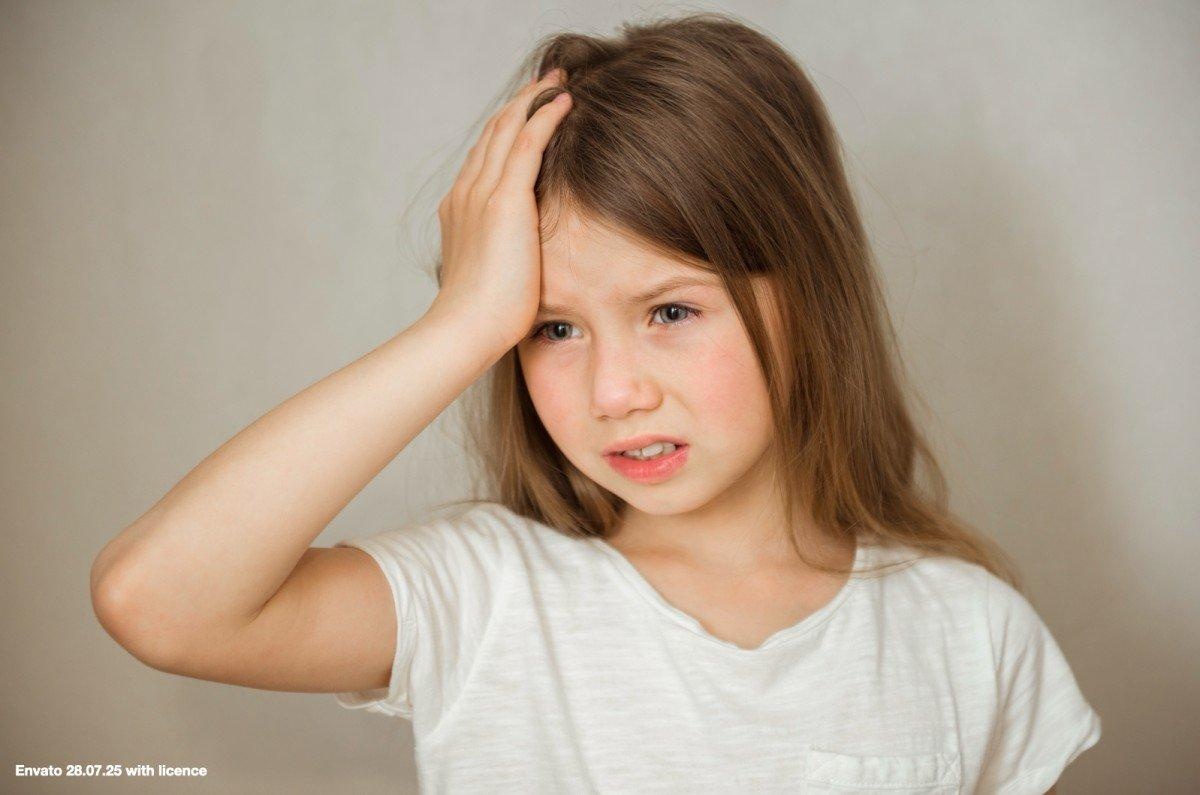
-headache
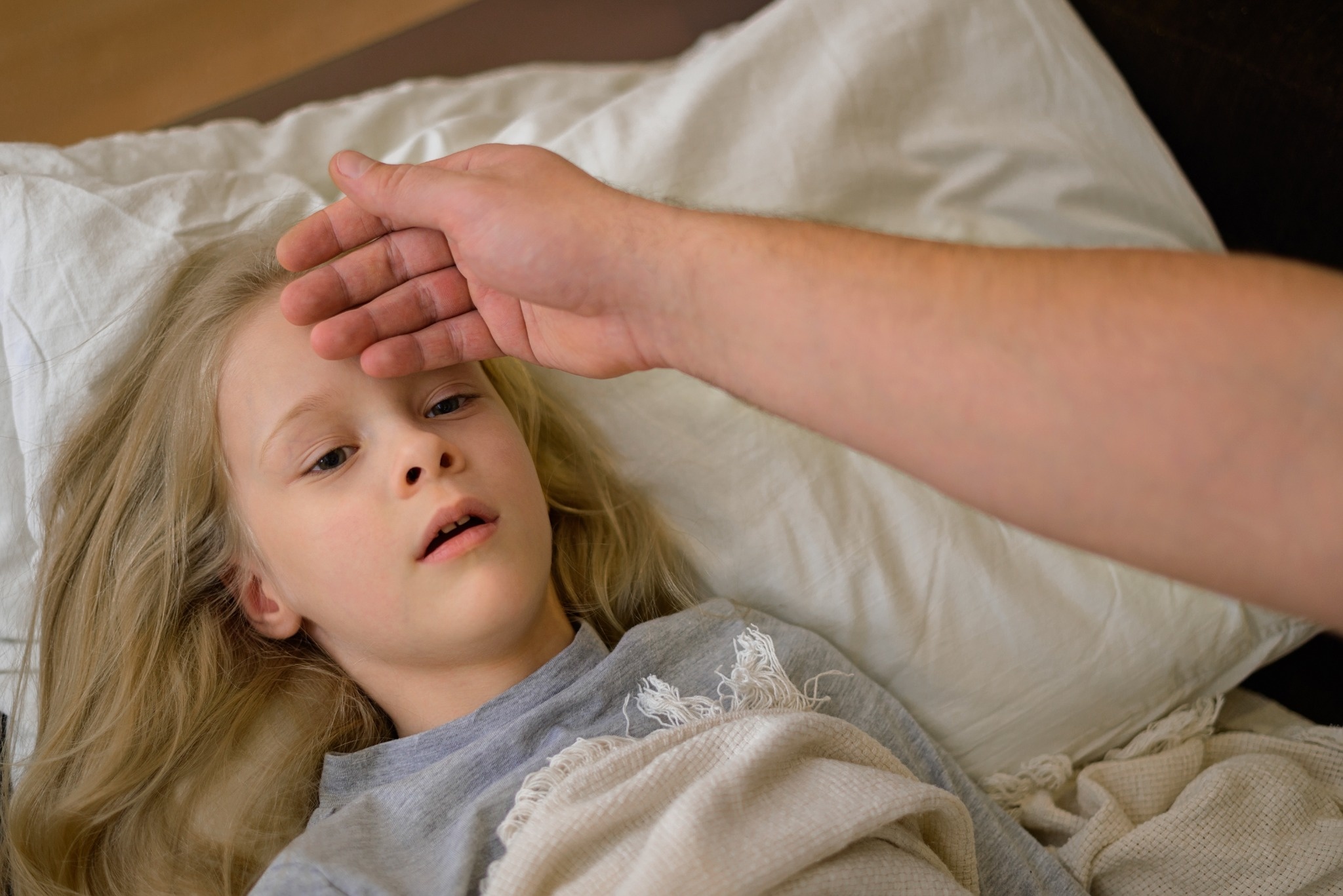
-fever
-sleepiness
-sensitivity to light
-refusing to eat
-irritability
-confusion
-seizure
-nausea and vomiting
-neck stiffness
-purple-red splotchy rash
Diagnosis and Complications
How is meningitis diagnosed?
1.Medical history
2.Physical examination
3.Lumbar puncture(spinal tap): A needle is placed into the spinal canal and small amount of cerebral spinal fluid is removed for examination
4.Blood test(check for infections that cause meningitis)
5.CT scan or MRI(give more information about the brain)
What are the possible complication of meningitis?
Some children may have long term problems:
-seizures
-brain damage that causes disabilities(movement and learning)
-hearing loss
-vision problems
-death in case of severe bacterial meningitis
Management and Treatment
Management
Treatment depends on the cause of meningitis
Viral meningitis(No antibiotic is needed)
Treatment is symptomatic(to ease symptoms)
-antipyretics and painkillers(for the fever and headache)
-intravenous fluid intake(in case of vomiting)
-antiviral medicines are given for specific virus(eg.herpes simplex virus)
Bacterial meningitis
-Intraveneous (IV) antibiotics as soon as possible
-Intaveneous fluids
-Steroids(to reduce inflammation in the brain)
Fungal meningitis
-IV antifungal medicine
-Oxygen is given in case of breathing troubles
Prevention and When to Call
Prevention
- The cornerstone of meningitis prevention is the routine immunization.Vaccines that protect against meningitis are:
1.Hemophilus influenza B vaccine
2.Measle and mumps vaccine
3.Polio vaccine
4.Pneumonococcal vaccine
5.Meningococcal vaccine
- Preventive antibiotics(to all children that come into contact with a person who has bacterial meningitis)
- Good personal hygiene
When to call a doctor?
If your child has the following symptoms:
-vomiting
-headache
-tiredness or confusion
-neck stiffness
-fever
Key Notes and References
Key notes
1.Meningitis is an inflammation of the meninges (membranes that cover the brain and spinal cord)
2.Meningitis is caused usually by viruses or bacteria.Bacterial meningitis is more serious and may lead to long-term complications and death
3.Lumbar puncture is the main test that diagnoses meningitis.
4.In viral meningitis antibiotics are not recommended. In bacterial meningitis antibiotic treatment must start as soon as possible.
5.Routine immunization is the cornerstone of long term prevention of meningitis.
References
Kidshealth.org>parents Meningitis in kids
www.stanfordchildrens.org Meningitis in children
www.hopkinsmedicine.org Meningitis in children
www.childrenshospital.org Meningitis
www.nhs.uk overview Meningitis
Important note
This article provides general educational content. It does not replace a visit to the paediatrician or personalised medical advice.
Need help now?
For urgent symptoms, breathing difficulty, severe reaction, reduced consciousness, or rapid deterioration, seek emergency care immediately.