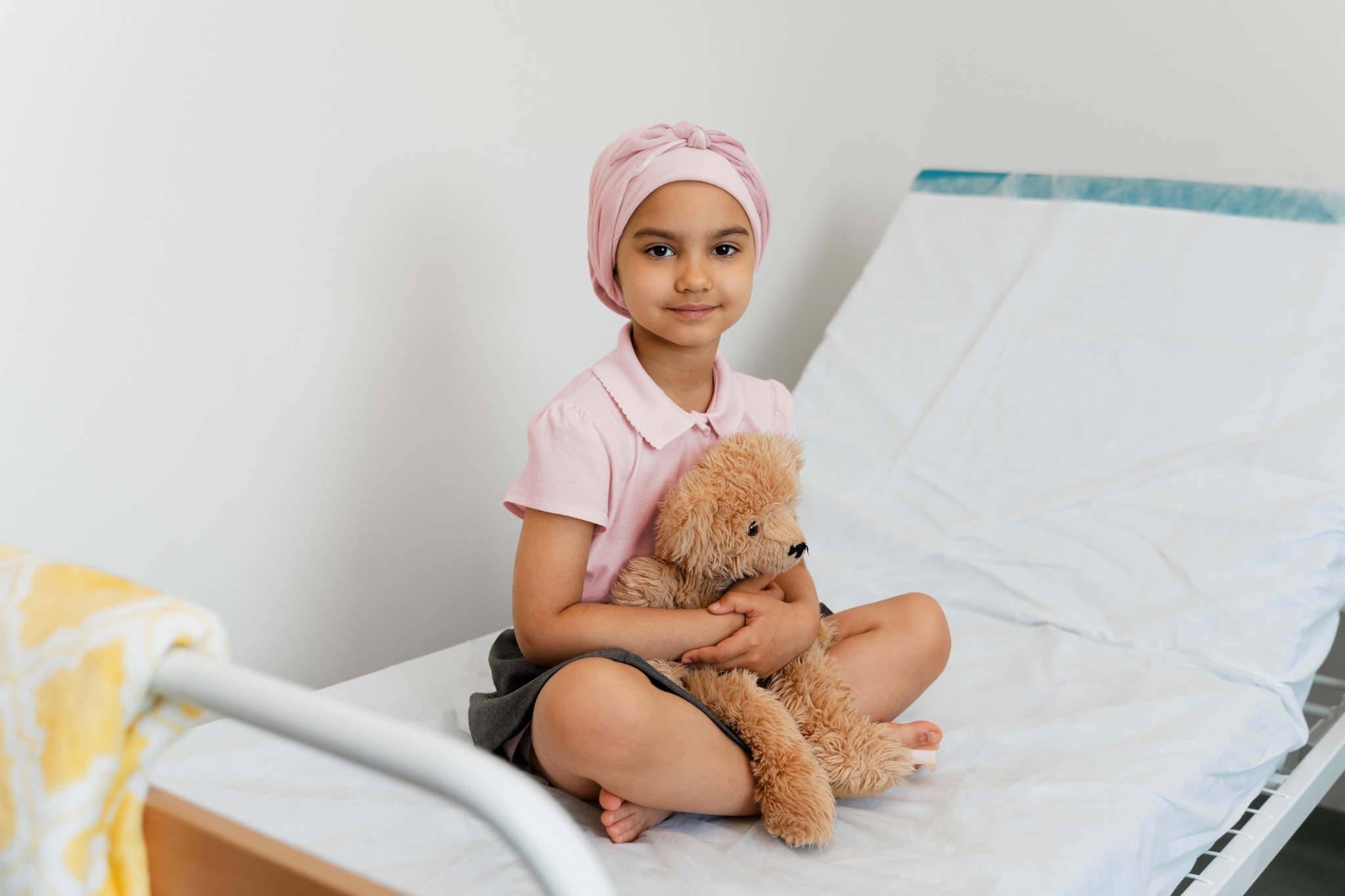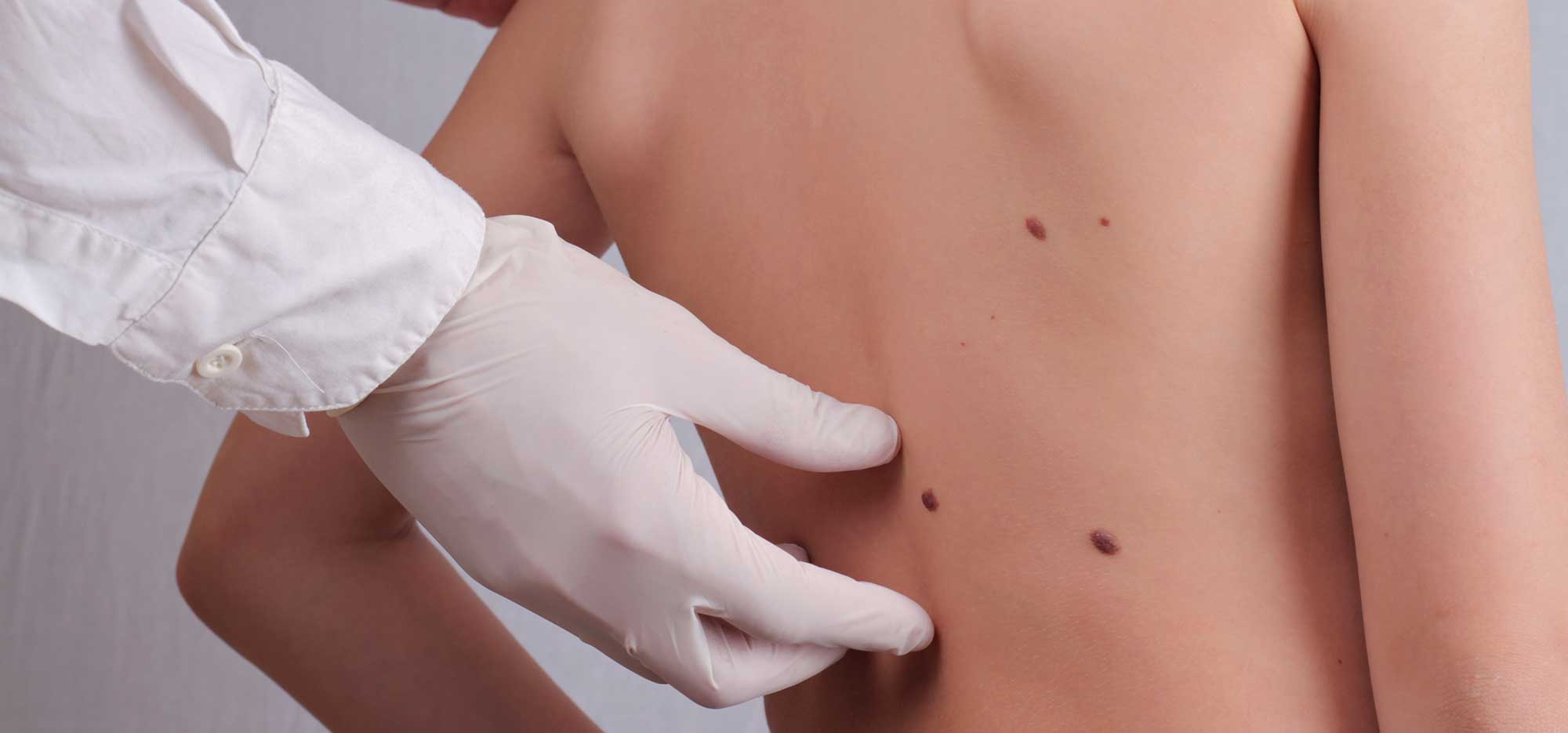
What is Melanoma?
Melanoma is a skin cancer that affects the melanocytes. Melanocytes are cells in top layer of the skin called epidermis that make a pigment called melanin that gives skin its color.
Melanoma is a rare form of skin cancer.Even though it is rare,it is the most common skin cancer in children.It occurs more often in adolescents aged 15 to 19 years.
Causes of Melanoma
What causes melanoma in children?
Melanoma happens when melanocytes stop working normally and they change into cancerous cells that grow uncontrollably spreading and damaging surrounding tissue.This change is caused by a DNA mutation in the melanocytes.
Factors that contribute to the development of melanoma are:
-a fair complexion(light skin that freckles or burns easily)
-blue or green eyes
-having many moles (usually more than 25)
-UV exposure(from the sun or tanning bed)
-history of frequent or severe sunburns
-family history of melanoma
-having had melanoma before
Signs and Symptoms
What are the signs and symptoms of melanoma?
-A child may have pain,itching,bleeding or crusting with a new or existing mole,although often there are no symptoms.
It is important to know if the mole has changed in size,shape or color.
In order to monitor the moles we should keep this ABCDE rule in mind:
A for asymmetry(Does each half of the mole look different?)
B for border(Are the edges well defined?Does it look like spreading sideway?)
C for color(Does the mole change color?)
D for diameter(Is the mole getting larger than 6mm?)
E for evolving(Has there been any change in the size,shape color or elevation of the mole?)
Diagnosis of Melanoma
How is melanoma diagnosed?
1.Good history(family and medical)
2.Physical examination
3.Skin examination-Dermatoscopy
4.Biopsy of melanoma lesion(microscopic examination of the melanoma lesion and a small amount of normal tissue around it obtained by surgery)
5.Staging of melanoma using the following imaging procedures
-Chest-x-ray
-CT scan
-MRI scan
-PET scan
6.Sentinel lymph node biopsy(adjacent lymph node to the melanoma lesion)
Treatment Options
How is melanoma treated?
Treatment is based on the result of the skin biopsy and on the genetic testing on the biopsy sample.
1.Removal of the melanoma along with normal skin around it.Sometimes it is necessary to remove the adjacent lymph nodes.
2.Chemotherapy(drugs to kill cancerous cells)
3.Radiation therapy
4.Immunotherapy(It uses the patient’s immune system to kill melanoma cells)
5.Targeted therapy(It uses drugs or other substances to attack cancerous cells.It causes usually less harm to normal cells than chemotherapy and radiation therapy do)
When to Seek Help
When to call a doctor?
Call your doctor if:
-Your child develops a new mole that looks unusual or is associated with pain,itching,bleeding or crusting
-Your child’s existing moles have changed in size,shape,color or elevation of the mole
-Your child develops symptoms and signs that may suggest that melanoma has spread(fatigue,weight loss,cough,nausea,abdominal pain,bone pain,headache,mood or behavior changes)
Prevention and Prognosis
How is melanoma prevented?
1.Limit your exposure to ultraviolet (UV) rays
-Stay out of the sun as much as possible between 10 a.m and 4p.m when the sun rays are strongest.
-Cover up with long sleeves,long pants or a long skirt,a hat and sunglasses.
-Put on broad spectrum sunscreen with SPF 30 or higher.
2.Maping of moles and regular checking of moles(Dermatoscopy)
What is the prognosis for melanoma?
If melanoma is detected and treated early before it spreads to child’s lymph nodes the outlook is very good and he or she will likely live for many years.On the other hand if it is detected late and spread to distant part of the body the prognosis is not so good.
Key Points and References
Key points
1.Melanoma is the most common skin cancer in children.It occurs more often in adolescents aged 15-19 year.
2.Genetic and environmental factors for example exposure to UV light are very important factors in developing melanoma.
3.Keep ABCDE rule in mind when checking moles
4.Biopsy of melanoma lesion is important in diagnosis.Imaging testing is important in staging of melanoma.
5.Early diagnosis and treatment determines the outlook of the disease.
References
Kidshealth.org Melanoma
www.uptodate.com Melanoma in children
www.aad.org Melanoma can look different in children
www.cancer.gov Childhood melanoma treatment patient version
www.cincinnatichildren.org Melanoma/symptoms,diagnosis & treatment
health.gov>health-condition Take steps to prevent skin cancer
Important note
This article provides general educational content. It does not replace a visit to the paediatrician or personalised medical advice.
Need help now?
For urgent symptoms, breathing difficulty, severe reaction, reduced consciousness, or rapid deterioration, seek emergency care immediately.