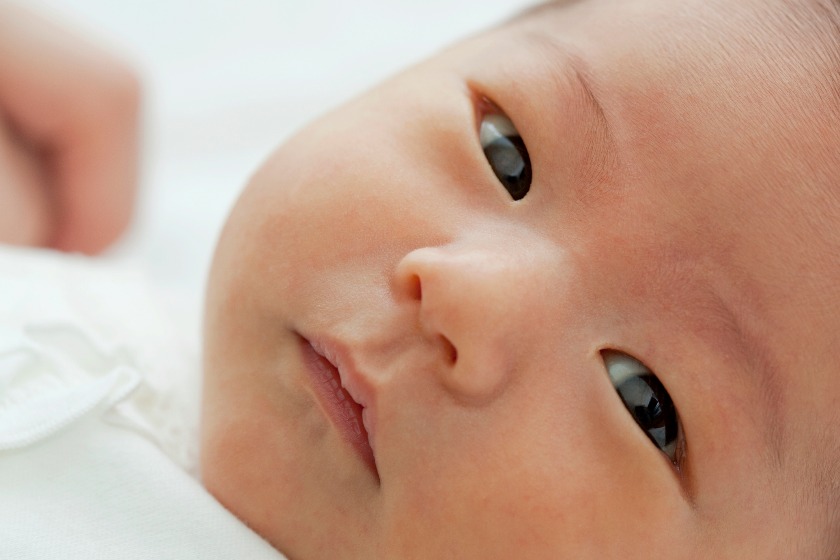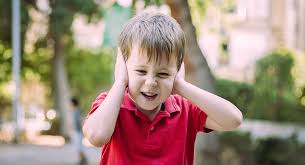
Overview of Autism
Autism also called autism spectrum disorder(ASD), is a complex developmental condition that affects how children interact,communicate and behave.
Autism is not an illness, but brain dysfunction that has an impact on children’s various functions.
Autism appears before the age of 3 and persists throughout a person’s life.It is called a spectrum disorder because it affects children in different ways and varying degree.
It’s more often in boys that in girls. It’s incidence is gradually increasing.
Causes of Autism
What causes autism?
The cause of autism is still unknown. It is a developmental dissability caused by differences in the brain. In some cases there is a connection to a genetic condition (fragile x-syndrome)
Some scientists believe that ASD is caused by interaction of multiple causes that can change the most common ways in children develop.
Autism is not caused:
-by bad parenting
-by vaccines
-by not healthy diet
-by infection
-by medicines
Signs of Autism
The first signs of ASD can vary widely and appear at different times.
What are the signs of ASD?
Possible signs of autism at any age can include:
-little or no eye contact
-distinct reaction to :lights,tastes,smell,sounds
-very specific interests (limited or no interest in other children,showing more interest in objects than people
-repeating words or phrases (echolalia)
-repetitive behaviors such as spinng and repetitive movements with their fingers,hands,arms and head
-nonverbal communication or delayed language development(starting to develop language skills but then stopping or losing those skills)
-intense reactions to minor changes in routine or surroundings
-behavior issues like a self-injury or self isolation
-appearing not to hear when spoken to directly
-not executing commands
-in most cases low IQ
Diagnosis of ASD
How is ASD diagnosed?
Diagnosing autism spectrum disorder usually relies on two main sources of information:
-parent’s or caregiver’s description of their child’s development
-and a professional’s (developmental-behavioral pediatricians or child neurologist) observation of the child’s behavior
-The American Psychiatric Association’s Diagnostic and Statistical Manual-Fifth Edition(DSM-5) provides to professionals standardized criteria to help diagnose ASD.
Genetic testing is also recommended to indentify whether a child has a genetic disorder that is associated with ASD (Fragile-x-syndrome or Rett syndrome).
When to Seek Help
When should parents be concerned and visit their child’s pediatrician?
Parents should ask for professional opinion if they notice the following signs
If their child:
-has not smiled by 6 months
-has not mimiced sounds and facial expressions by 9 months
-has not been babbling and cooing by 12 months
-has unusual and repetitive behaviors
-has trouble making eye contact
-does not interact with people and does not share experiences
-does not respond when someone tries to get his attention
-has delayed speech development
-does not understand other peoples reactions
-is sensitive to light,noise and temperature
-has problems with sleep or feeding and digestion
Management and Treatment
Management of a child with ASD
The aim of current treatment for ASD is to reduce symptoms that interfere with the daily functioning and quality of life.Treatments can be given in education health,community or home settings or a combination of settings.
Types of treatments
There are many types of treatments that can be done
1.Behavioral (A notable behavioral treatment for children with ASD is called applied behavior analysis [ABA].It encourages desired behavior and discourages undesired behaviors to improve a variety of skills)
2.Developmental (It focuses on improving specific developmental skills such as language skills or physical skills or a broader range of interconnectal developmental abilities)
a) Speech and language therapy
b) Occupational therapy (Physical therapy and sensory integration therapy)
3.Educational (It is given in a classroom setting.One type of educational approach is treatment and education of autistic and related communication-handicapped (TEACCH).
4.Social-relational (social-relational treatments focus on improving social skills and building emotional bonds)
4.Pharmacological (there are no medications that treat the core symptoms of ASD.Medication are used to manage inability to focus,self harming behavior and co-occuring psychological conditions such as anxiety or depression and seizures).
6.Psychological (It can help children with ASD cope with anxiety,depression and other mental issues)
a) Cognitive-behavior therapy→It is one psychological approach that focuses on learning the connections between thoughts feelings and behaviors.
7.Complementary and alternative treatments (They supplement more traditional approaches such as special diets,herbal supplements,animal therapy, arts therapy.)
Prognosis and Key Points
What is the prognosis of ASD?
The prognosis for a child with autism depends on:
1.The severity of their initial symptoms (basic factors are childhood IQ and language and communication skills)
2.Time of intervention and treatment (the earlier intervention and treatment the better outcome of ASD) usually as early as 2 or 3 years age.
A new long term study findings suggest that age 6-when elementary school usually begins-is a key turning point for autistic children.So an extra support must be provided in all settings.
Although in severe cases,a child with autism will need a life long support,many children with autism and other autism spectrum disorder are able to live relatively normal lives.
Key points
1.Autism or ASD is a complex developmental condition that affects how children interact communicate and behave caused by differences in the brain.
2.Autism appears usually before the age of 3 and is manifested in different ways and varying degree. That is why it is called autism spectrum disorder.
3.Diagnosis depends mainly on parent’s or caregiver’s description of symptoms by the parents and caregivers and professionals observation.
4.Management goal of ASD is to reduce symptoms that interfere with the daily functioning and quality of life of a child with autism.
5.Although in severe cases a child with autism will need a life long support,many children with autism and other ASD are able to live relatively normal lifes.
References
References
www.webmd.com What is autism
www.nhs.uk What is autism
www.cdc.gov<autism> About ASD
www.canada.ca Autism:signs and characteristics
www.mayoclinic.org Autism spectrum disorder
www.webmd.com How do doctors diagnose autism
www.cdc.gov Treatment and Intervention for Autism Spectrum Disorder
https://autism.org The long term prognosis
Important note
This article provides general educational content. It does not replace a visit to the paediatrician or personalised medical advice.
Need help now?
For urgent symptoms, breathing difficulty, severe reaction, reduced consciousness, or rapid deterioration, seek emergency care immediately.