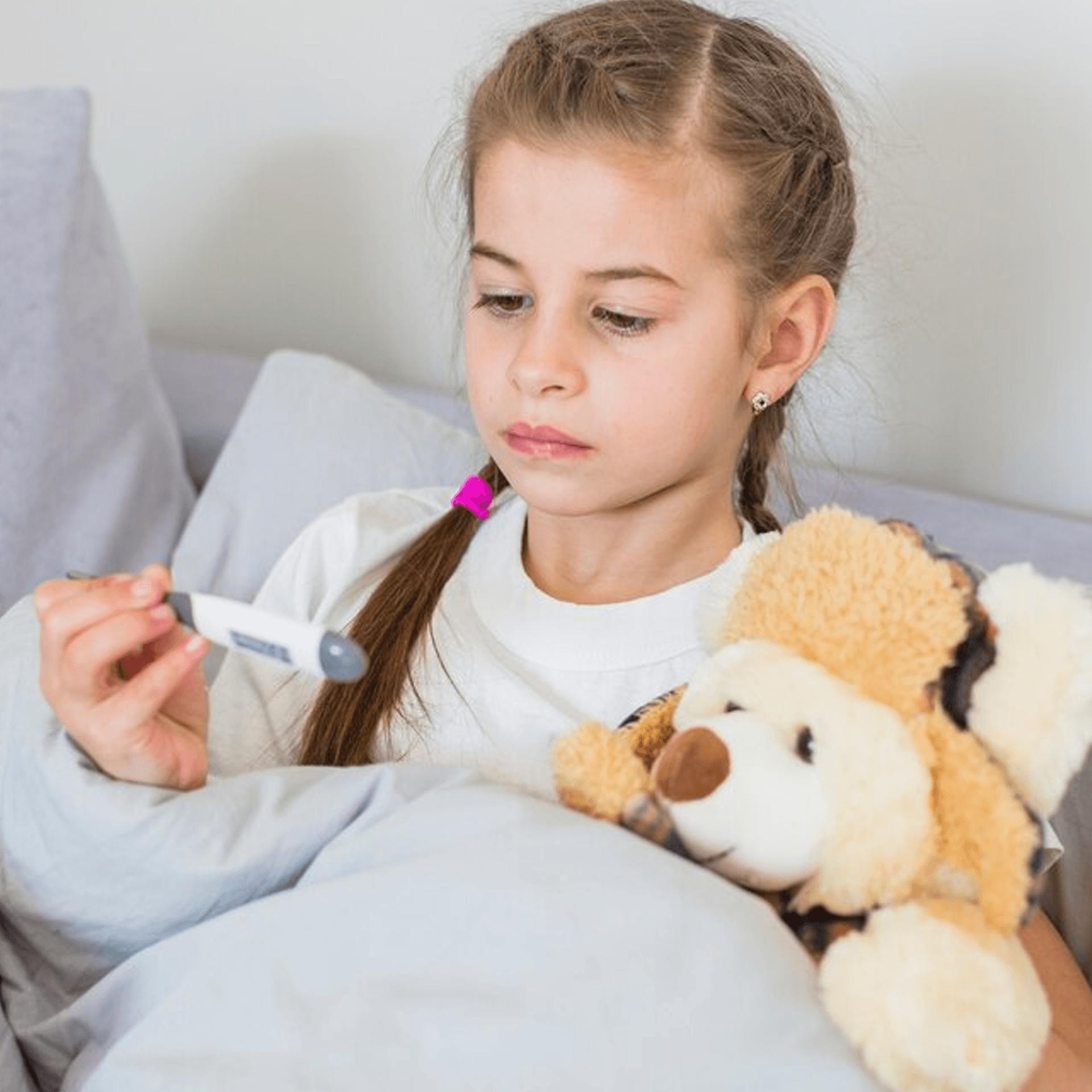
Introduction to PFAPA
Periodic fever,Apthous stomatitis,Pharyngitis,Cervical Adenitis(PFAPA) is a syndrome that usually affects children.PFAPA usually starts between ages two and five.PFAPA is an autoinflammatory and a complex genetic disease. It is one of the most common periodic fever syndrome.It was first describe by Marshall et al in 1987.Since then a great progress on PFAPA has been made on the classification criteria,treatment plan and in the genetic realm.
Causes of PFAPA
What causes PFAPA syndrome?
The cause of PFAPA syndrome is not known.Researchers are not sure what triggers PFAPA syndrome.It has not been found monogenic mutation that is associated with PFAPA syndrome. But data suggest that it is caused by polygenic or complex inheritance of pathogenic variants in many genes in association with environmental factors.
Symptoms of PFAPA
What are the symptoms of PFAPA syndrome?
Common symptoms of PFAPA syndrome include:
-high fever(temperatures range from 38.5 to 41ºC that last two to seven days)
-mouth sores(apthous stomatitis)
-sore throat with redness(pharyngitis)
-enlarged lymph nodes of the neck(adenitis)
-white patches on tonsils
Less common symptoms include:
-headache
-joint pain
-rash
-abdominal pain
-nausea and vomiting
-diarrhea
Episodes of PFAPA usually last two to seven days.These episodes typically occur every two to eight weeks(average approximately every 4 weeks).Between the episodes,children are completely well.Children with PFAPA grow and develop normally.
Diagnosis of PFAPA
How is PFAPA syndrome diagnosed?
PFAPA is diagnosis of exclusion that is made on clinical ground.No universally accepted criteria for PFAPA have been developed.The primary features of the clinical criteria that are believed to be important for diagnosis include(www.uptodate.com)
1.More than 4 documental stereotypical episodes of fever typically last 2-7 days occurring at regular intervals 2 to 8 weeks.
2.During flares patients might have pharyngitis ,cervical adenitis or aphthous stomatitis(mouth sores).However in one study a child might have PFAPA even though he or she did not have the above symptoms but met all of the other criteria for PFAPA.
3.Normal growth and development with no symptoms or abnormal laboratory studies(CRP and ESR) between episodes.
4.Resolution of symptoms(fever and pharingitis) within a matter of hours after treatment with steroids.
Treatment of PFAPA
How is PFAPA syndrome treated?
The goals of PFAPA treatment are:
-to ease symptoms
-to shorten the duration of fever
-to prevent recurrence
1.Steroid(prednisone or prednisolone) are a mainstay of abortive treatment for fever attacks.They ease symptoms and shorten the duration of fever.On the other hand they may shorten the intervals between the episodes.
2.Colchicine and cimetidine(prevent recurrence)
3.Tonsillectomy cures PFAPA and leads to a complete remission in some patients with PFAPA.
-Patients tend to outgrow this syndrome without sequelae usually after age 10 in some cases PFAPA might come back in adult life.
Complications and Doctor Consultation
What are the possible complication of PFAPA syndrome?
PFAPA doesn’t cause any known long-term complications.
When to see a doctor?
See a doctor if you think that your child has episodes of fever at regular intervals sometimes without any other symptoms.
Key Points and References
Key points
1.PFAPA is an autoinflammatory disease that is characterized by regular episodes of fever lasting 2-7 days.
2.Episodes of fever are usually accompanied by swollen lymph nodes in the neck,sores in the mouth,pharyngitis and patches on tonsilis
3.PFAPA can be treated by medication (steroids,cimetidine,colchicines) and tonsillectomy
4.Children with PFAPA outgrow this syndrome after the age 10.
References
Rheumatology.org Periodic fever,Aphthous Stomatitis,Pharyngitis,Adenitis Syndrome (PFAPA) (Juvenile)
www.uptodate.com PFAPA
www.ncbi.nlm.nih.gov Periodic fever,aphtous stomatitis pharyngitis and adenitis syndrome(PFAPA)
www.msdmanuals.com PFAPA syndrome
www.aboutkidshealth.com PFAPA syndrome
www.cedars-sinai.org PFAPA syndrome
Σημαντική σημείωση
Αυτό το άρθρο παρέχει γενικό εκπαιδευτικό περιεχόμενο. Δεν αντικαθιστά την επίσκεψη στον παιδίατρο ή την εξατομικευμένη ιατρική συμβουλή.
Χρειάζεστε βοήθεια τώρα;
Για επείγοντα συμπτώματα, δυσκολία στην αναπνοή, σοβαρή αντίδραση, μειωμένο επίπεδο συνείδησης ή ραγδαία επιδείνωση, αναζητήστε αμέσως επείγουσα ιατρική φροντίδα.